



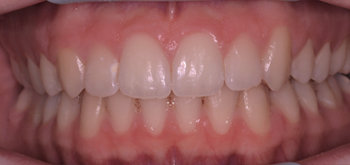
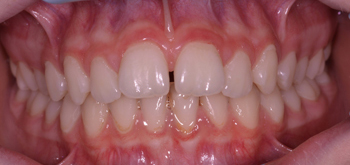
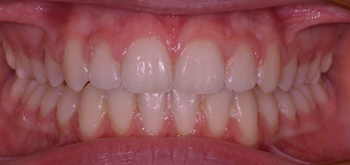
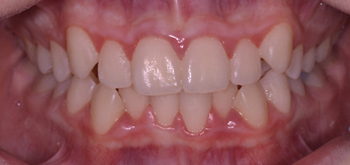
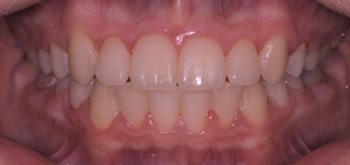
Invisalign
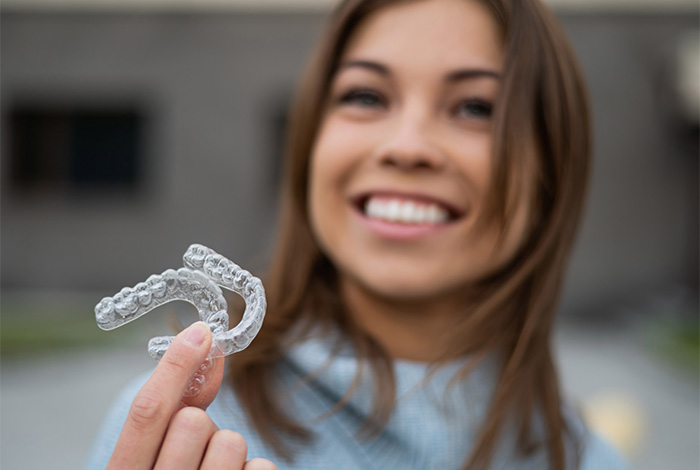
- Suitable for mild to moderate crowding
- More discreet and removable
- Requires good compliance, with aligners worn 20–22 hours per day
Fixed braces
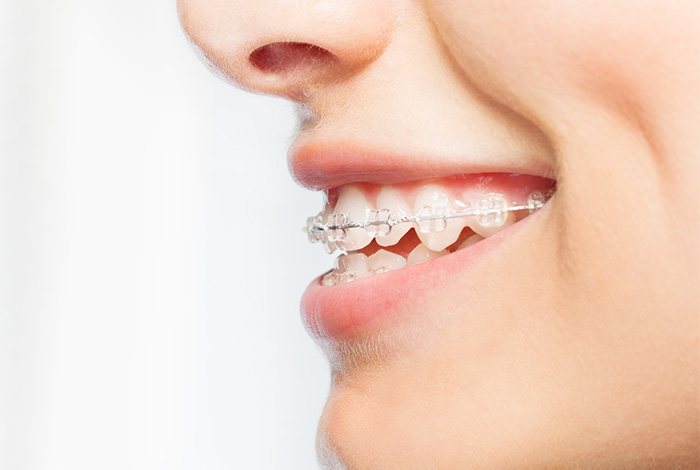
- Often better for more severe crowding
- Allow very precise control of tooth movement
- Do not rely on patient compliance
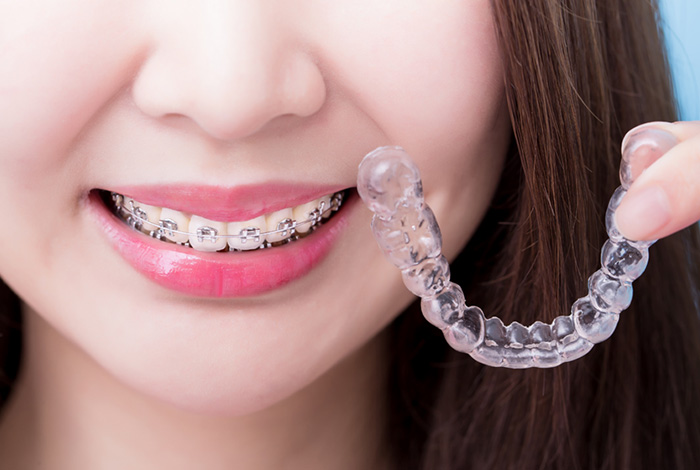
Both aligners and fixed appliances can effectively improve tooth alignment. However, fixed braces may sometimes provide greater control in more complex orthodontic movements.
The best treatment option can be determined during an orthodontic consultation, after a careful assessment of the teeth, bite, and overall treatment objectives.
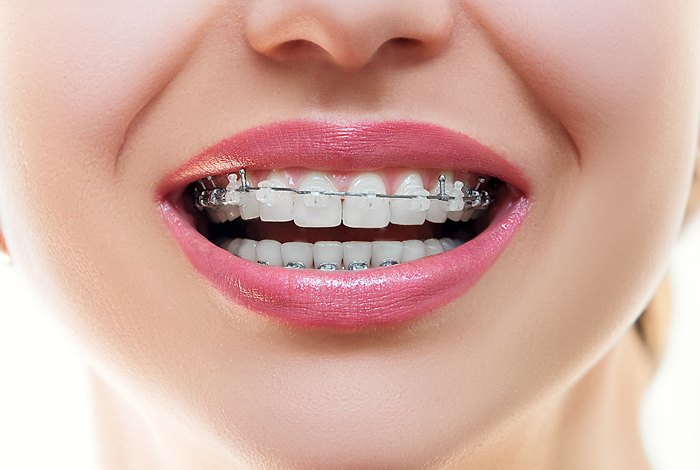
Ceramic braces
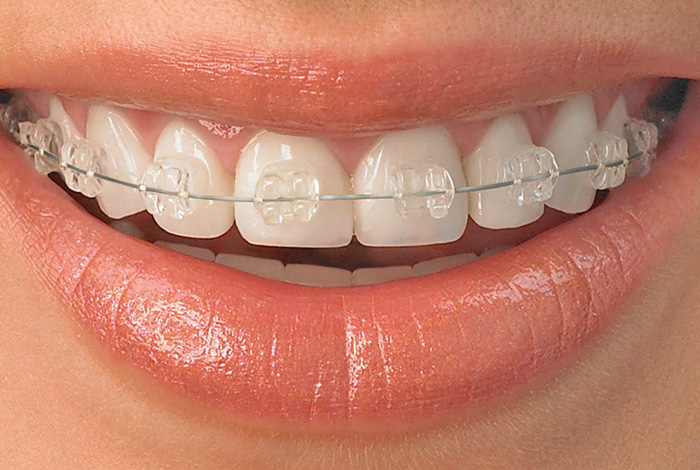
- Tooth-coloured brackets
- More aesthetic and less noticeable
- Slightly more fragile and usually a bit more expensive
Metal braces
- Strongest and most durable
- Usually the most cost-effective option
- Slightly more visible
Many adult patients prefer ceramic braces for aesthetic reasons, while metal braces are often recommended for more complex orthodontic cases.
Advantages
- Lower friction between the wire and the bracket; in some cases this may allow better arch expansion
- Sometimes fewer adjustment appointments are required
- Easier to keep clean because there are no elastic ligatures
Disadvantages
- Treatment is not always significantly faster than with traditional braces
- They may be slightly more expensive
- Treatment results still depend mainly on the complexity of the case and the treatment plan
Overall, self-ligating braces are a modern variation of fixed braces rather than a completely different orthodontic system.
Typical treatment times are:
- Mild corrections: 8–12 months
- Average cases: 12–18 months
- Complex bite problems: 18–36 months or longer
Several factors can influence the length of orthodontic treatment, including:
- The degree of crowding or spacing of the teeth
- Bite problems, such as crossbite, increased overjet, or deep overbite
- The age of the patient
- Compliance with treatment, including wearing aligners or elastics as instructed
Each patient is different, so the most accurate estimate of treatment time can be provided during an orthodontic consultation and treatment planning appointment.
Tooth extraction may sometimes be recommended when:
- The teeth are severely crowded
- There is not enough space in the dental arch
- The bite requires significant correction
However, many orthodontic cases today can be treated without extractions, using techniques such as arch expansion or interproximal reduction (IPR).
The decision is always made individually after a detailed orthodontic assessment.
At this stage:
- Permanent teeth are beginning to erupt
- Bite development can be evaluated
- Early orthodontic problems can sometimes be detected and managed
This does not necessarily mean that treatment will start immediately, but it allows early monitoring of dental development and timely intervention if needed.
This usually involves:
- Wearing removable retainers at night and taking proper care of them
- Sometimes having fixed retainers bonded behind the teeth for additional stability
- Attending regular check-ups to monitor the position of the teeth
Retainers are extremely important because teeth naturally tend to move back over time if they are not retained properly.
Typical private orthodontic fees in the UK may range approximately:
- £3,000–£4,500 for traditional braces
- £3,000–£5,500+ for Invisalign
The exact cost can only be determined after an orthodontic consultation and treatment plan.
Many practices also offer payment plans to spread the cost.
Common foods to avoid include:
- Sweet fizzy drinks
- Hard chocolate (for example, chocolate taken straight from the fridge)
- Hard sweets or candy
- Nuts
- Popcorn kernels
- Chewing gum
- Sticky sweets such as toffee or caramel
- Biting directly into hard foods such as apples or crusty bread
- Very hard or crunchy crisps
Patients are usually advised to cut harder foods into smaller pieces, avoid very hard or sticky foods, and maintain excellent oral hygiene throughout orthodontic treatment.
- A discussion of your concerns, expectations, and treatment goals
- A clinical examination of the teeth and bite
- A panoramic X-ray, and sometimes a small periapical X-ray if a more detailed assessment is required
- A digital scan or impressions of your teeth
- An explanation of the available treatment options
- An estimate of the treatment time and cost
At the end of the consultation, you will receive a personalised treatment plan and can decide whether you would like to proceed with orthodontic treatment.
Patients should:
- Brush their teeth at least twice a day, ideally after every meal
- Use a soft orthodontic toothbrush and fluoride toothpaste
- Clean carefully around brackets and wires
- Use interdental brushes or floss to clean between teeth
- Attend regular dental check-ups and hygiene appointments
Good oral hygiene helps prevent tooth decay, gum inflammation and white spot lesions during orthodontic treatment.
To look after your retainers properly:
- Wear them as instructed by your orthodontic dentist
- Clean them daily using a soft toothbrush and room-temperature water
- Avoid using hot water, as it can distort the retainer
- Store them in their protective case when not in use
- Avoid wrapping retainers in tissues or napkins, where they can easily be lost
- Keep them away from pets, as animals often like to chew them
Retainers should also be brought to orthodontic appointments so they can be checked and adjusted if necessary.
If a bracket becomes loose or breaks:
- Contact your orthodontist or orthodontic practice so they can advise how quickly you need to be seen or whether it can wait until your next appointment
- Keep the area clean
- If the wire is irritating the cheek or gum, orthodontic wax can be used to cover it
You should contact your orthodontic practice to arrange an appointment so the bracket or wire can be checked and repaired if necessary.
Most orthodontic emergencies are not urgent, but it is important to have the problem assessed to avoid discomfort and prevent delays in treatment.
Dr Dorota Lisiewska is a dentist with a special interest in orthodontics with over 15 years of clinical experience and a Postgraduate Diploma in Orthodontics (PG Dip Ortho). She provides modern orthodontic treatments including Invisalign, clear aligners, and fixed braces such as metal, ceramic, and self-ligating braces like Damon.
She has also completed additional courses with experts in self-ligating bracket systems and has many years of experience working in orthodontics within the NHS as well as in private practice.
Her approach to orthodontic care focuses on:
- Gentle and personalised treatment planning
- Careful assessment of each patient’s bite, facial balance, and dental health
- Modern orthodontic techniques designed to achieve natural and stable results, while aiming to minimise tooth extractions whenever possible
- Clear communication, so patients fully understand their treatment options
- Direct contact with patients via email, allowing easy communication throughout treatment
Dr Lisiewska has extensive experience treating children within the NHS as well as private patients, including adults, which has allowed her to develop strong clinical experience in a wide range of orthodontic cases.
Every treatment plan is individually tailored, with the goal of creating healthy, functional, and confident smiles, while ensuring patients feel comfortable and supported throughout their orthodontic journey.
If you would like to ask a question or arrange a consultation, you can contact Dr Dorota
Lisiewska directly by email at: dlorthodontics@gmail.com
Dr Dorota Lisiewska is committed to providing high-quality orthodontic care in a calm and supportive environment, helping patients achieve confident smiles that last for many years.
You may also notice:
- Slight sensitivity when biting or chewing. It is usually better to eat softer foods that do not require much chewing during the first few days. In some cases, taking painkillers such as ibuprofen or paracetamol may help relieve discomfort.
- Irritation of the cheeks or lips while your mouth adjusts to the braces. Mouth ulcers may appear more often, especially during the early stages of orthodontic treatment.
- A need to adjust your diet and avoid hard or sticky foods
Orthodontic wax can help reduce irritation from brackets or wires. Most patients become comfortable with braces within a few days to a week.
If mouth ulcers occur, they usually heal on their own, but using a special soothing gel from a pharmacy may help reduce discomfort and support healing.
Maintaining excellent oral hygiene and attending regular orthodontic visits is very important throughout orthodontic treatment.
At these appointments, your orthodontist will:
- check how the teeth are moving
- adjust or change the archwire if necessary
- monitor the bite and overall progress of treatment
- check that the brackets and wires are in good condition
- give advice on oral hygiene and elastic wear if required
Regular visits are important to ensure that treatment progresses as planned and to make any necessary adjustments.
If a bracket becomes loose, a wire is broken, or you experience discomfort between appointments, you should contact your orthodontic practice for advice.

